NEW JOURNEY

Product Description
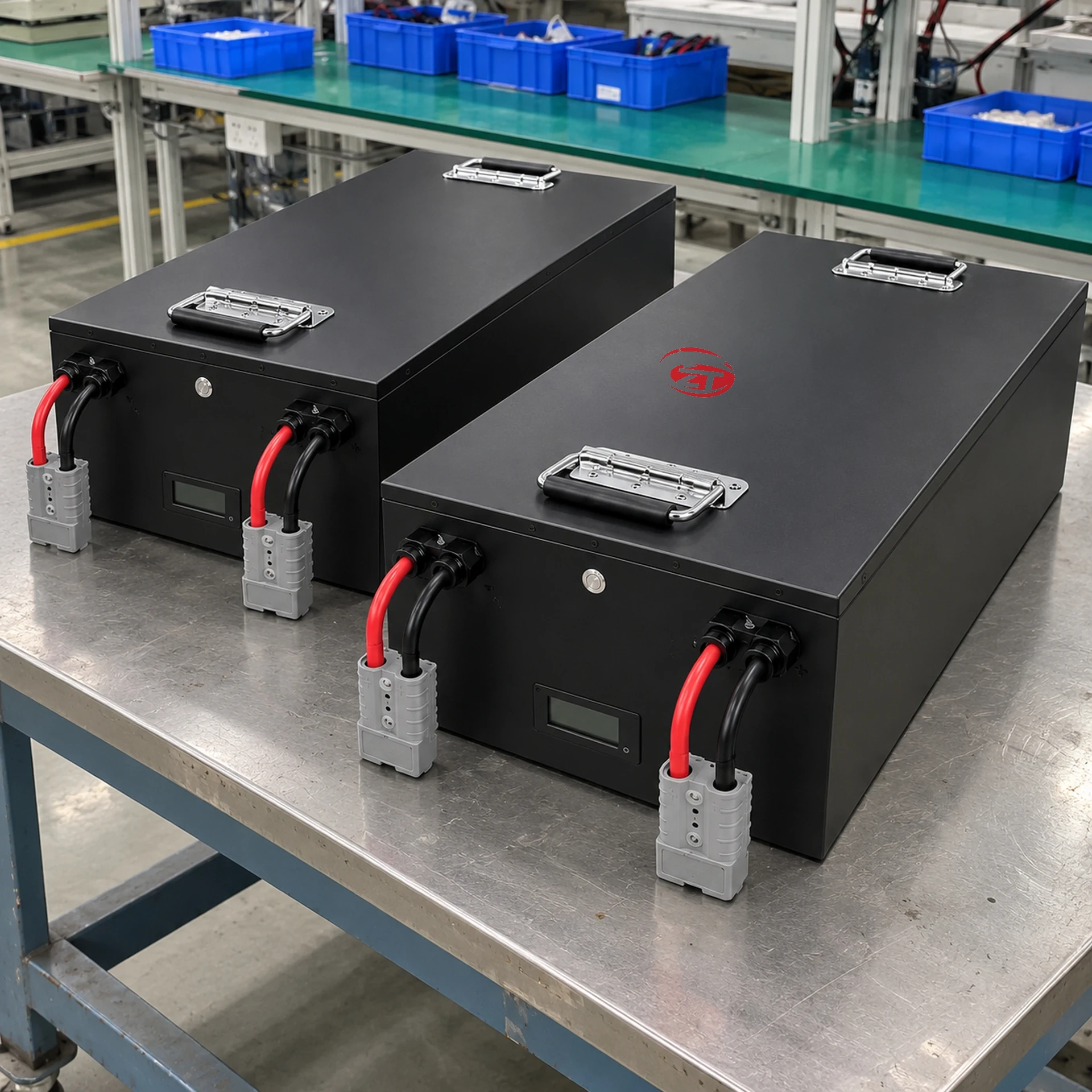
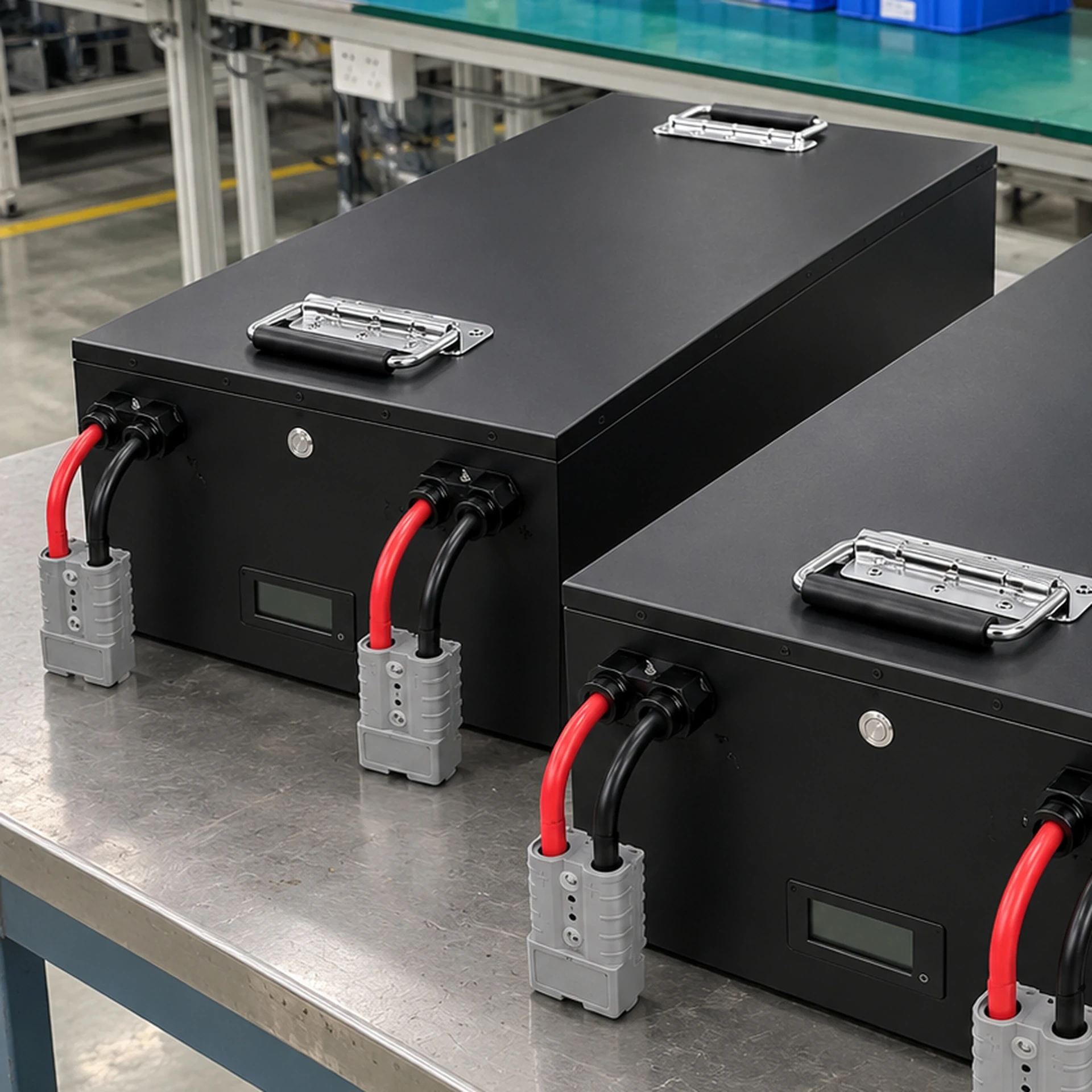
The 60V name identifies the vehicle class; the 60V 105Ah Golf Cart Lithium Battery uses a 64.0V nominal battery architecture. That distinction matters during a lithium conversion because the controller and charger must suit the full operating window. The quoted system can include project-selected communication and monitoring. Current and protection settings follow the finished pack configuration, rather than the vehicle-class name.
Technical Specifications
| Specification | Details |
|---|---|
| Market Voltage Class | 60V |
| Nominal Voltage | 64.0V |
| Cell Configuration | 20S1P LiFePO4 |
| Rated Capacity | 105Ah |
| Nominal Energy | 6.72kWh |
| Reference Continuous Discharge | 200A continuous — series-reference value; final BMS approval required |
| Reference Peak Discharge | 400A for 35 seconds — series-reference value; project validation required |
| Reference Charge Voltage | Approx. 73.0V for 20S LiFePO4; confirm final cell / BMS limits |
| Project Charger | 73V-class LiFePO4 profile; charge current selected after BMS and charge-time review |
| BMS | 200A-class Smart BMS; project-specific protection thresholds |
| Communication | CAN / RS485 / Bluetooth optional; controller protocol matching required |
| Ingress Protection | IP67 — current New Journey series target for this SKU |
Product Details
Cart Operating Conditions
A performance golf cart battery is selected against the actual route and vehicle load. Repeated starts, gradients, passenger weight and accessories can raise demand even when the travel distance is short. Compare that load profile with the finished pack’s current and temperature limits before assigning the 105Ah platform to a cart.
Check the reference build before repeat orders
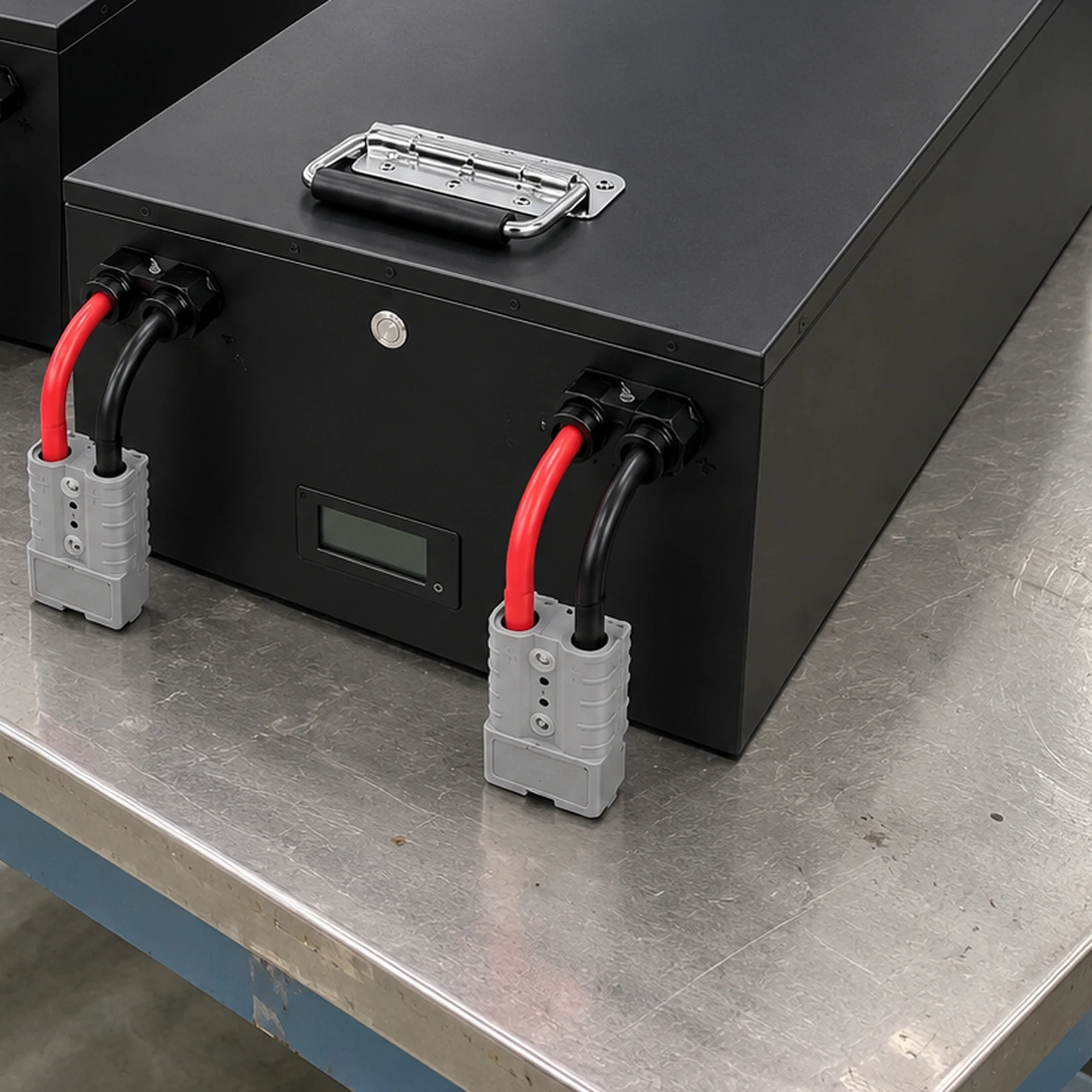
For an OEM batch, identify the 20S1P build and the approved BMS rather than relying on the 60V sales label. Inspect mounting points and terminal access against the tray drawing. Keep any series-reference current value distinct from the final ordered pack approval.
Production and Handling Context

Request a Configuration Review
Send the cart’s controller and charger information with the tray drawing. New Journey can prepare an OEM offer that states the voltage platform and selected interfaces clearly.
FAQ
Can the existing 60V golf-cart charger be reused?
The 20S LiFePO4 reference gives approximately 73.0V for charging, subject to final cell and BMS limits. Check the old charger’s output profile and connection against that approved configuration; its 60V sales label is not enough.
Are 200A continuous and 400A peak approved ratings for my cart?
They are series-reference values: 200A continuous and 400A for 35 seconds. Final BMS approval and project validation are still required. Include acceleration and hill-climbing loads when confirming the proposed build.
Does the stated capacity guarantee a particular driving range?
It does not. Vehicle mass, gradients, speed, repeated starts and accessory loads affect energy use. Keep the original controller voltage requirements in view; a higher-capacity option is useful only if its physical and electrical limits fit the vehicle. Nominal Voltage: 64.0V; Rated Capacity: 105Ah; Nominal Energy: 6.72kWh.
Why is this called 60V when the nominal voltage is 64.0V?
60V is the market voltage class. This reference uses 20S LiFePO4 with a nominal voltage of 64.0V. Match the controller to the complete operating-voltage window, rather than treating the sales name as the electrical specification.