NEW JOURNEY


Product Description
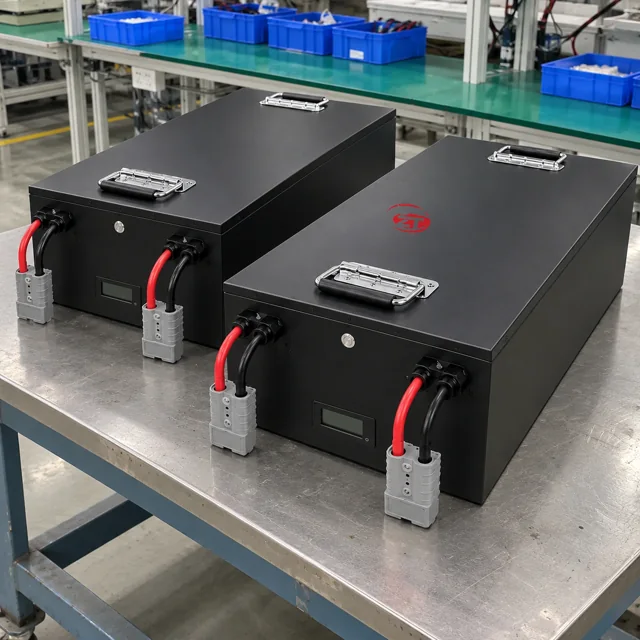
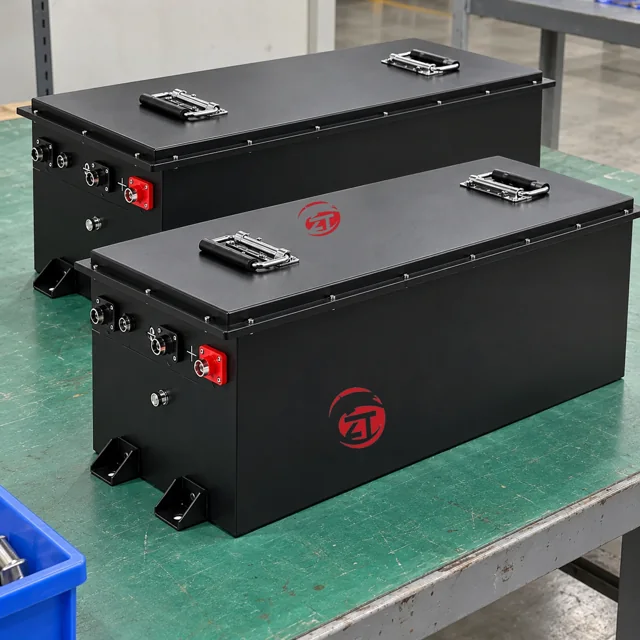
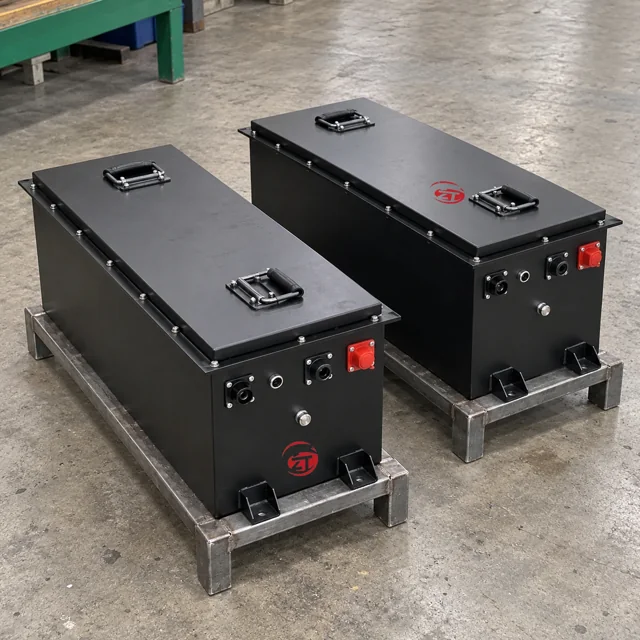
Converting a 36V-class cart changes more than the batteries. The 36V 105Ah Golf Cart Lithium Battery replaces the electrical platform with a 38.4V LiFePO4 assembly, so the charger and state-of-charge indication need to suit that chemistry. Tray restraint and cable reach also matter after the original bank is removed. Route length, passenger load and gradients determine the useful capacity requirement.
Technical Specifications
| Specification | Details |
|---|---|
| Market Voltage Class | 36V |
| Nominal Voltage | 38.4V |
| Cell Configuration | 12S1P LiFePO4 |
| Rated Capacity | 105Ah |
| Nominal Energy | 4.032kWh |
| Maximum Continuous Discharge | 200A |
| Peak Discharge | 400A for 35 seconds |
| Charge Voltage | 43.8V |
| Standard Charger | 25A option; up to 50A after project review |
| BMS | 200A Smart BMS, matched to approved pack configuration |
| Communication | RS485 standard platform; Bluetooth APP + external SOC display; CAN optional after controller matching |
| Ingress Protection | IP67 |
Product Details


Route Capacity
A 36V 105Ah golf cart battery should be sized against the daily route, payload and charging opportunities. Include hills, repeated starts and auxiliary loads in the vehicle requirement rather than estimating range from capacity alone.
Charger Replacement
A 36V lithium golf cart battery needs a charger profile matched to the selected chemistry and configuration. Check the existing charger before reusing it in a lead-acid conversion.
Vehicle Interfaces
A 36V golf cart battery upgrade also changes the way the vehicle measures and displays remaining charge. The selected display and any communication interface must suit the new battery. Accessory circuits, wiring protection and connector polarity are documented with the conversion so that the electrical layout remains serviceable.
Keep the conversion record with the sample
For a conversion batch, retain the original bank information and the approved replacement drawing together. Check the tray retention, terminal orientation and charger settings on the first vehicle. These details help later orders reproduce the tested installation rather than only its nominal capacity.
Production and Handling Context

Request a Configuration Review
Provide the original bank layout, charger label and available tray space. New Journey can quote the lithium configuration with a defined conversion scope and identify the items that need sample verification.
FAQ
What charging voltage and current are specified for this model?
Charge Voltage: 43.8V. Match the charger profile, polarity and connection to the ordered assembly. A voltage-class label alone does not establish compatibility with an existing charger.
What discharge limit should the equipment designer use?
Maximum Continuous Discharge: 200A; Peak Discharge: 400A for 35 seconds. A short-duration peak is not a sustained operating allowance. Retain the stated conditions when checking the operating load, connector and wiring.
Does the stated capacity guarantee a particular driving range?
It does not. Vehicle mass, gradients, speed, repeated starts and accessory loads affect energy use. Keep the original controller voltage requirements in view; a higher-capacity option is useful only if its physical and electrical limits fit the vehicle. Nominal Voltage: 38.4V; Rated Capacity: 105Ah; Nominal Energy: 4.032kWh.
Is the voltage in this battery name enough to approve a replacement?
The electrical reference is Nominal Voltage: 38.4V. The controller or device must tolerate the full charge-to-discharge operating window, not only the nominal value. Include the original charger label and equipment voltage limits in the replacement review; similar product names do not establish interchangeability.