NEW JOURNEY
Product Description
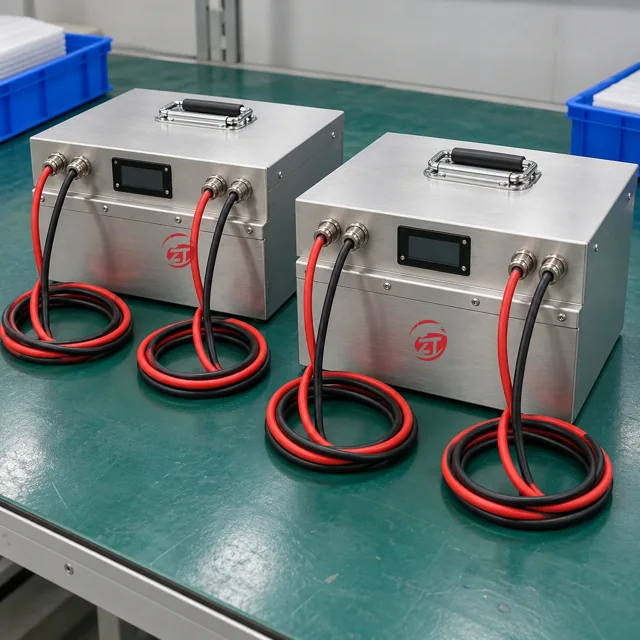
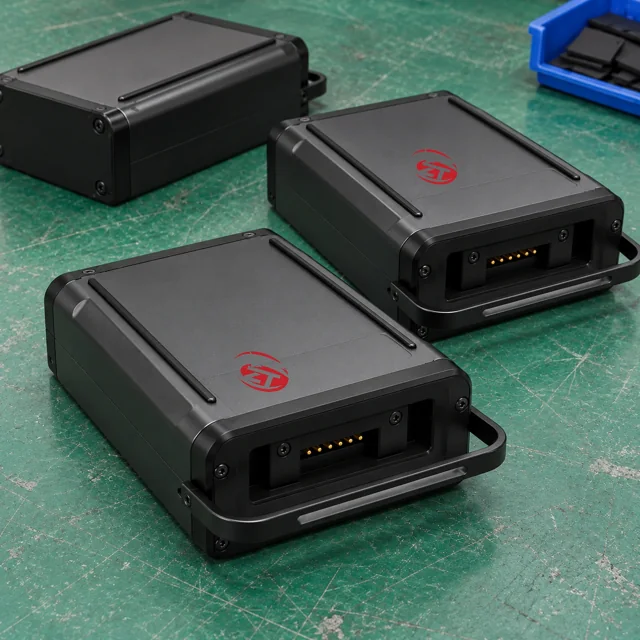
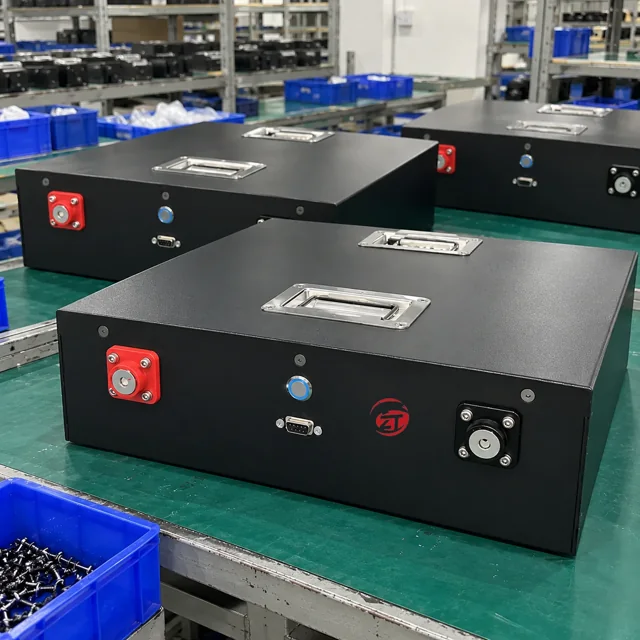
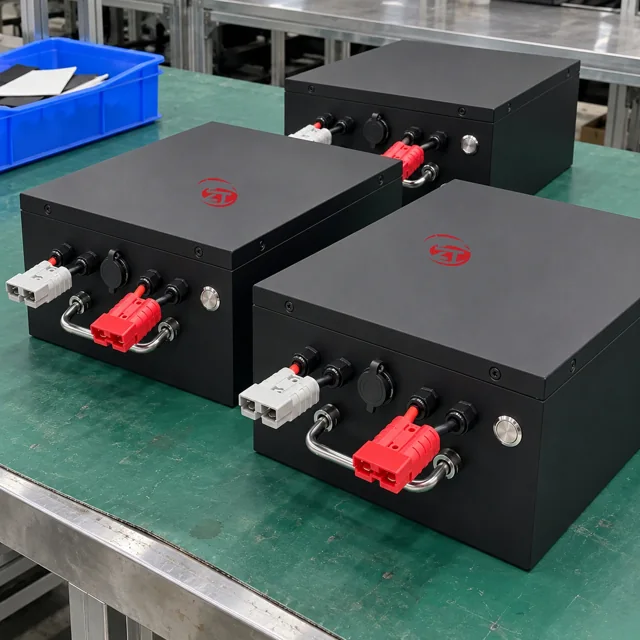
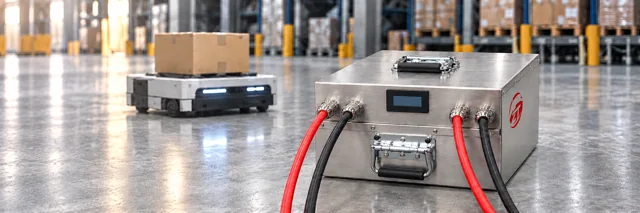
Route energy is the useful starting point for the 25.6V 100Ah AGV Battery. Its 100Ah capacity gives more reserve than the 60Ah option on the same nominal voltage platform, but the available charging periods may be equally important. The vehicle load profile defines the required steady and peak current. Battery dimensions, mass and communication are then specified for the actual chassis.
Shift Energy and Chassis Space
A 100Ah AGV lithium battery fits projects needing longer charge intervals when the battery bay and allowable mass can support the extra energy. This is most useful when the AGV has sufficient enclosure space and the added battery mass does not compromise payload or vehicle balance. Buyers should therefore validate the battery bay and mass allowance together with the runtime target rather than treating capacity as an isolated upgrade. Where opportunity charging is frequent and space is tight, the smaller 60Ah platform may produce a better overall system result.
Technical Specifications
| Parameter | Source Reference Configuration / Project Confirmation |
|---|---|
| Market Voltage Class | 24V-class |
| Nominal Voltage | 25.6V |
| Chemistry / Architecture | LiFePO4 / 8S |
| Capacity | 100Ah |
| Nominal Energy | 2.56kWh |
| Upper Charge Reference | 29.2V = 8 × 3.65V; final charger profile project-confirmed |
| Steady / Peak Current | Confirmed from measured AGV load and peak duration |
| Charging | Manual, dock or opportunity charging by approved project |
| Communication | CAN / RS485 project-selectable; protocol mapping confirmed |
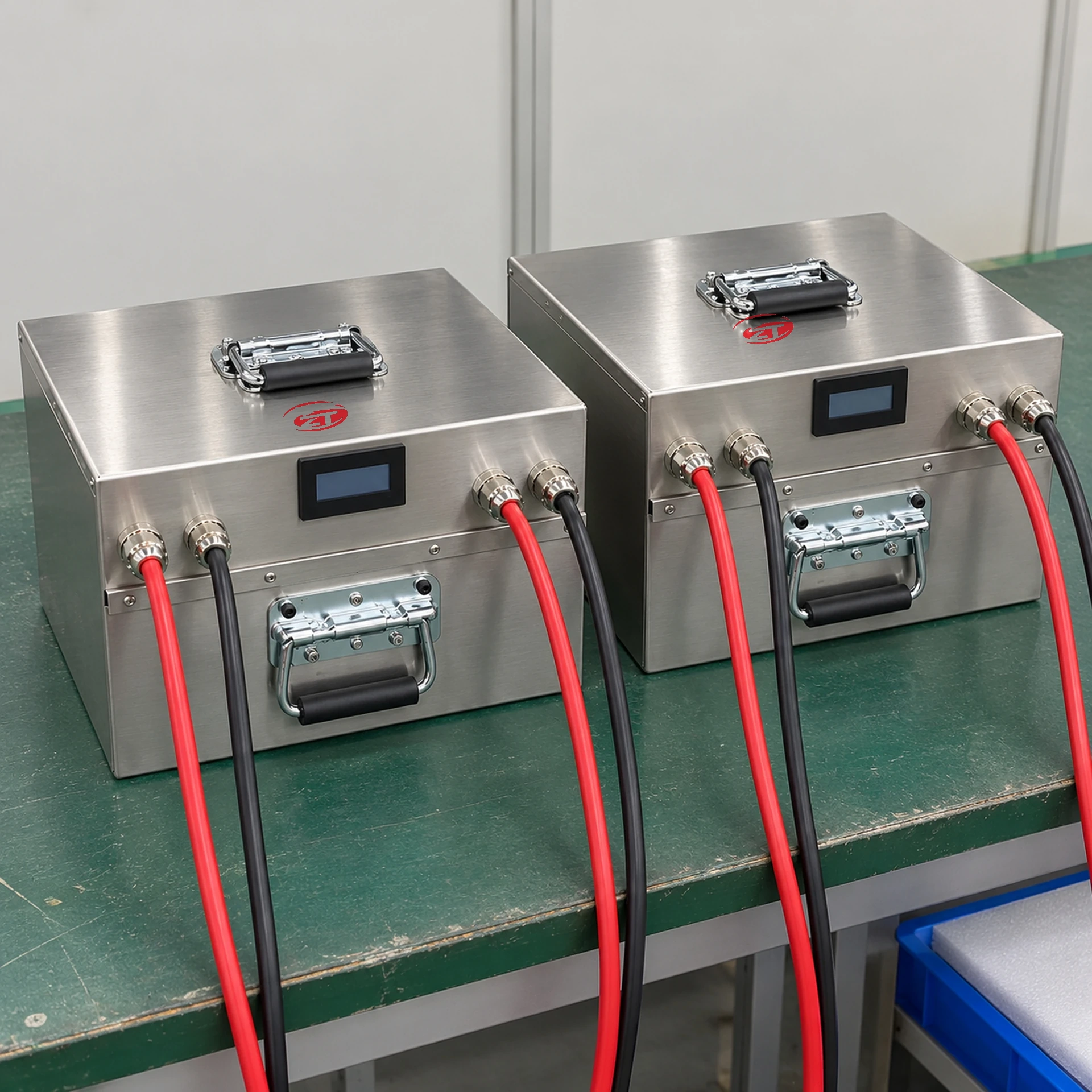
| Enclosure / Weight | Dimensions and weight are not specified in the available source. Confirm both against the approved configuration drawing before ordering. |
Product Details

Replacing an Existing 100Ah Pack
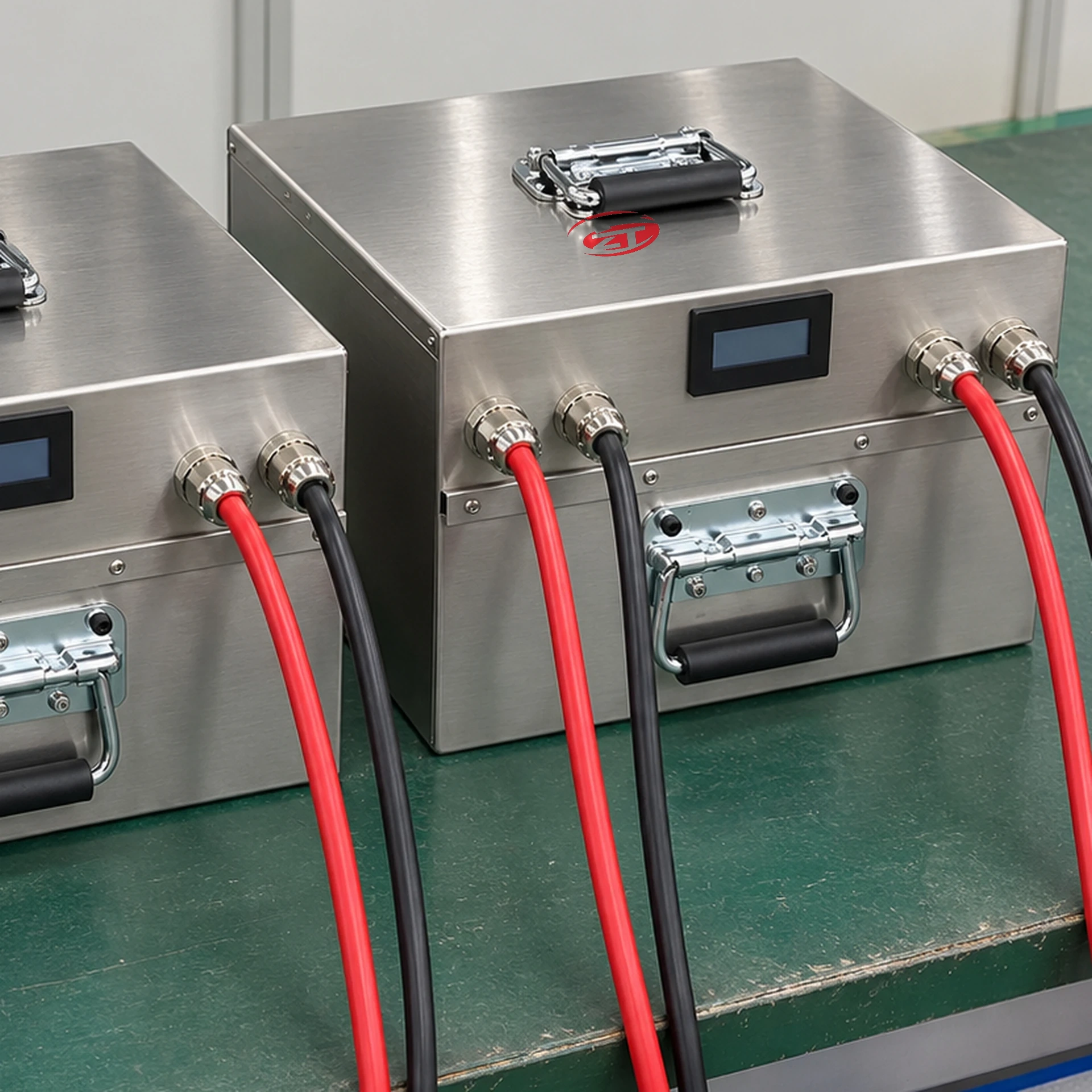
A 24V 100Ah AGV replacement battery needs more than matching labels. For this 25.6V 100Ah AGV Battery, confirm the 8S route, bay, mass, charger, connector and communication. The replacement review should confirm the original voltage route, battery-bay geometry, allowable mass, charger, connector and communication behavior. This is especially important for 100Ah batteries because a dimensional or mass mismatch can have a larger effect on service access and vehicle balance than it would with a compact pack. New Journey uses the existing system as the reference so the replacement can be evaluated as a complete integration project.
Verify reserve under the agreed route load
A useful acceptance record identifies the test current, temperature and cut-off condition. Mechanical checks should also include the connector’s service space, because a pack that fits the bay may still be difficult to disconnect safely.
Production and Handling Context
Request a Configuration Review
Send loaded duty cycle, charging windows and battery-bay drawing to New Journey for a 25.6V 100Ah AGV Battery quotation.
FAQ
What should I compare before selecting 25.6V 100Ah AGV Battery?
Start with the Market Voltage Class, Nominal Voltage, Chemistry / Architecture listed for this model. Send the application limits with your inquiry so the selected configuration can be checked against them.
What charging voltage and current are specified for this model?
Upper Charge Reference: 29.2V = 8 × 3.65V; final charger profile project-confirmed; Charging: Manual, dock or opportunity charging by approved project. Match the charger profile, polarity and connection to the ordered assembly. A voltage-class label alone does not establish compatibility with an existing charger.
Are enclosure dimensions and mass fixed for this AGV battery?
Not yet. They are released after the battery bay and allowable mass have been reviewed. Provide the compartment drawing, mounting points and cable-exit space before the enclosure is approved.
Does the listed communication interface make this battery plug-and-play with my robot?
For the 25.6V 100Ah AGV Battery, the interface entry is Communication: CAN / RS485 project-selectable; protocol mapping confirmed. The connector pinout, message IDs, data scaling and charging handshake must match the robot controller. Supplying the same physical bus does not by itself establish protocol compatibility.