NEW JOURNEY


Product Description
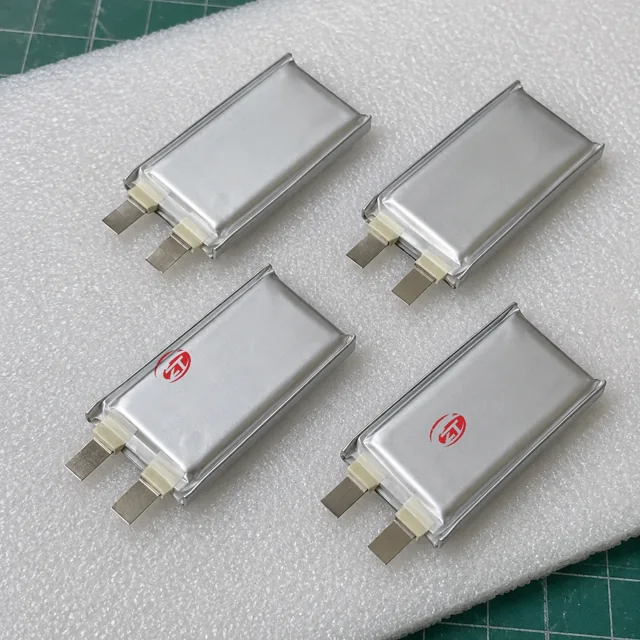
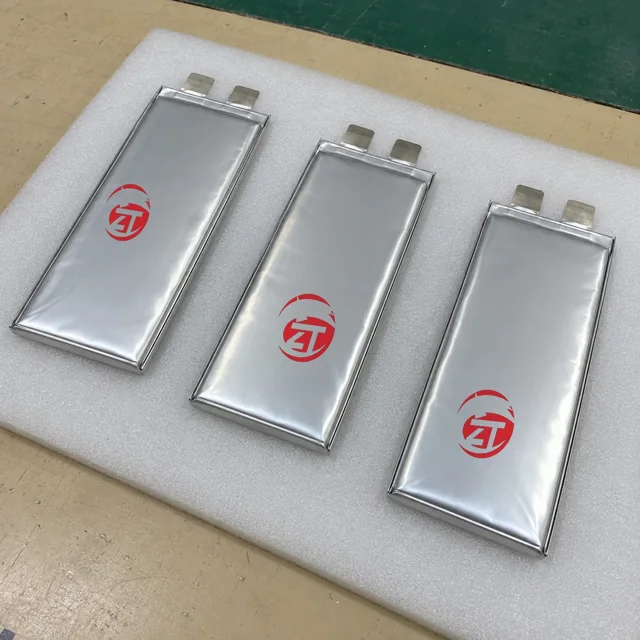
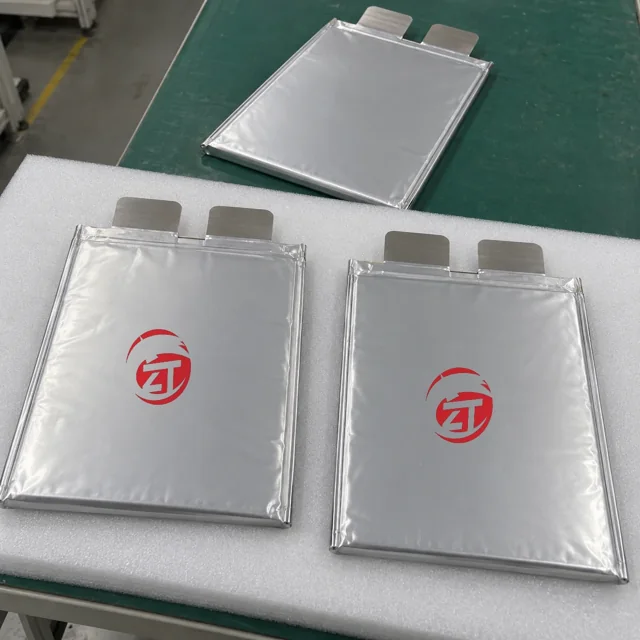
This 16Ah item is a single pouch cell for a designed battery assembly. Its 3.8V nominal rating and 4.35V normal charging ceiling describe the cell, not a multi-series aircraft battery. The 25mm-wide tabs and 11.9mm maximum body thickness give the pack designer concrete dimensions for planning insulation, interconnections and support.
Electrical and Mechanical Reference
| Parameter | Specification / qualification |
|---|---|
| Source model | JS1280165, 3.8V cell reference |
| Product form | Pouch cell |
| Nominal voltage | 3.8V |
| Rated capacity | 16Ah |
| Nominal energy | 60.8Wh (calculated from nominal voltage and rated capacity) |
| Normal / absolute charge ceiling | 4.35V / 4.38V |
| Discharge cut-off | 3.0V |
| Standard / maximum charge | 8A / 16A |
| Source maximum discharge | 400A (25C), cell basis; assembly qualification required |
| Maximum body size | 166.5 x 80.5 x 11.9mm (L x W x T) |
| Tabs | 25 ± 0.1mm width; 15 ± 2mm length; 36 ± 2mm center spacing |
| Reference cell mass | 305g |
| Cell impedance | ≤2mΩ at 1kHz |
Dimensions and tab layout
Technical views based on the dimensions in this product specification. Open either drawing to inspect the vector detail.


Dimensions and assembly scope
The 16Ah LiHV pouch cell specifies 4.35V normal charging, 4.38V absolute maximum and 3.0V discharge cut-off. Standard charge is 8A and the listed maximum is 16A. Those are single-cell values and must be translated through an approved pack design.
Size the tab joint and insulation
The JS1280165 battery cell drawing gives 25mm-wide tabs with 36mm center spacing and 15mm exposed length. The tab material and joining method need to be agreed for the current path; adding an external connector does not establish the capability of the joint.
Treat 25C as a specification to qualify
A 25C lithium polymer cell at 16Ah corresponds to the source figure of 400A. A finished battery may be limited by tabs, welds, cables, connectors or cooling. Review the intended duty and validate the complete assembly before claiming the same rating for a UAV pack.
Keep cell and pack models separate
When requesting a 3.8V 16Ah drone battery cell, identify the bare-cell scope explicitly. The source has a one-cell BOM despite a carried-over 6S phrase in its scope. Its 305g weight and cell drawing must not be presented as a finished multi-cell pack.
Related production and handling
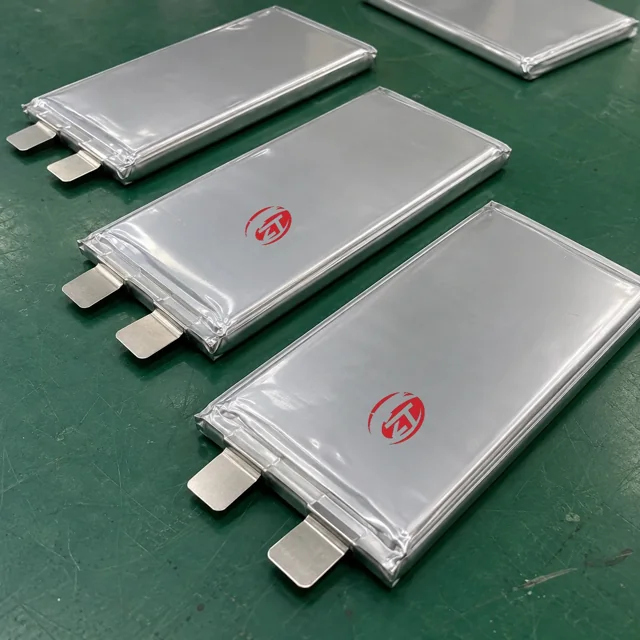
The pouch-cell handling image gives context to this component product. It does not establish the 25C performance figure; that figure belongs to the cell specification and its test conditions.

Discuss the Sample and Order
A cell quotation should specify quantity, capacity-test conditions and the planned interconnection method. If a finished pack is required instead, provide the series count and aircraft interface separately.
Compare 3.8V 16000mAh 25C LiPo Cell with related models
| Selection point | 3.8V 16000mAh 25C LiPo Cell | 3.8V 1100mAh 20C LiPo Cell |
|---|---|---|
| Nominal voltage | 3.8V | 3.8V |
| Rated capacity | 16Ah | 1100mAh typical; 1030mAh minimum in basic table |
| Nominal energy | 60.8Wh (calculated from nominal voltage and rated capacity) | 4.18Wh (calculated from nominal voltage and rated capacity) |
FAQ
Does it include a power or balance connector?
No connector is defined for the bare cell. A finished pack requires an agreed series count, harness and protection scope.
Is 400A automatically the output rating of a pack made from this cell?
No. It is the source cell-level discharge figure. The entire assembled current path and thermal conditions must be qualified.
Why is this separate from the 23.1V JS1280165 page?
The 3.8V item is a single cell; the 23.1V item is a finished 6S reference with its own charging, mass and mechanical data.
How do buyers define a cell sample order?
State the required quantity, target assembly, tab requirements and intended test conditions. New Journey can quote the cell scope and any separately requested pack development.