 NEW JOURNEY
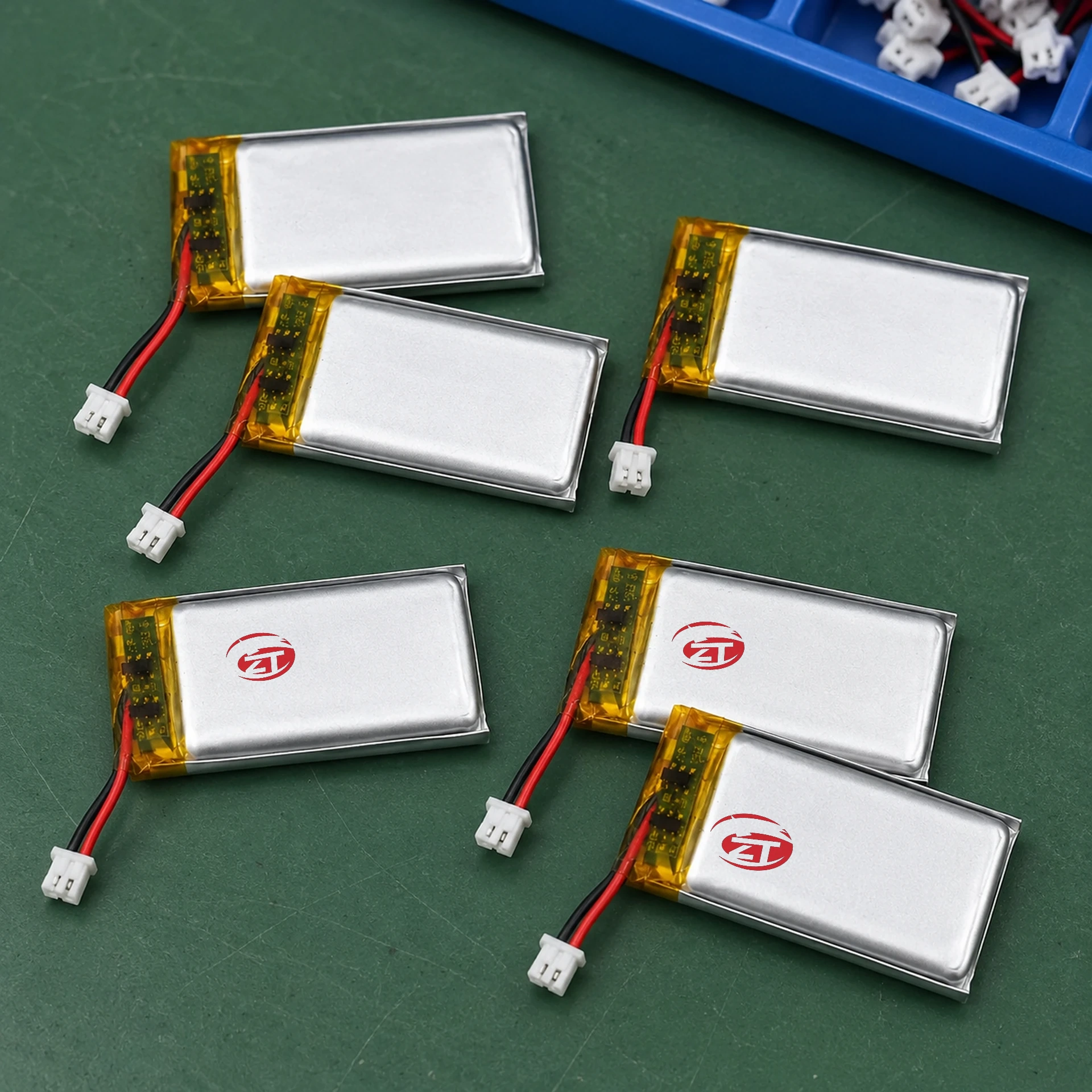
Embedded Battery Packs

Embedded battery packs need to fit the device's electrical design and internal space. This catalogue groups options into 3.7V, 7.4V, 11.1V and 12V-class families, with LiPo and LiFePO4 groups identified separately. Choose a family, then check the precise model specification and connection details.
Showing 13–16 of 16 products

7.4V Lithium Battery Packs
7.4V 2000mAh Battery Pack
- Voltage
- 7.4V
- Capacity
- 2000mAh

7.4V Lithium Battery Packs
7.4V 2600mAh Battery Pack
- Voltage
- 7.4V
- Capacity
- 2600mAh
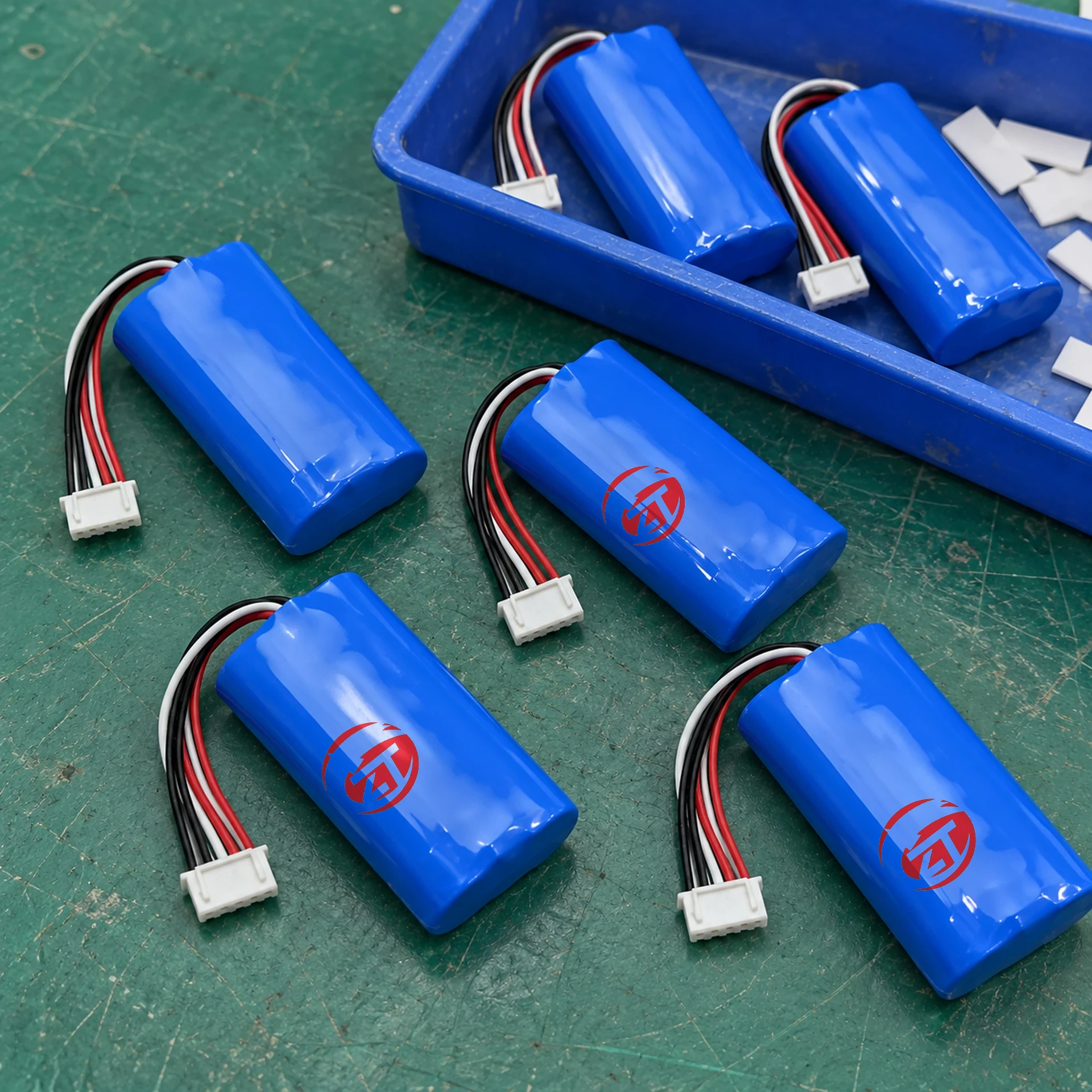
7.4V Lithium Battery Packs
7.4V 5000mAh Battery Pack
- Voltage
- 7.4V
- Capacity
- 5000mAh
Start with the voltage window
The equipment must tolerate the battery's changing voltage across its usable charge range. Review start-up demand, normal load, standby consumption and the point at which the device shuts down. Capacity alone does not determine whether a pack will power the device reliably.
Leave room for integration
The available cavity must accommodate the pack, protection electronics where fitted, wires and strain relief. Share a drawing with dimensions and connector locations. Charging, temperature sensing and sample acceptance tests should be considered before the product enclosure is finalised.
Frequently asked questions
Can I choose a cylindrical-cell pack or a pouch-cell pack?
Check the internal space and mounting method first. Cylindrical-cell arrangements and pouch-cell packs occupy space differently. Send a dimensioned drawing, the required voltage and the load profile so that the cell format, protection board and wiring can be reviewed together.
How can I estimate the operating time of an embedded battery pack?
Use energy and the equipment's average power over its actual duty cycle. Nominal watt-hours are approximately nominal voltage multiplied by amp-hours. Usable runtime is lower than a simple nominal-energy estimate when conversion losses, voltage cut-off, temperature and ageing are included.